
How Much Does Solar Panel Repair Cost?
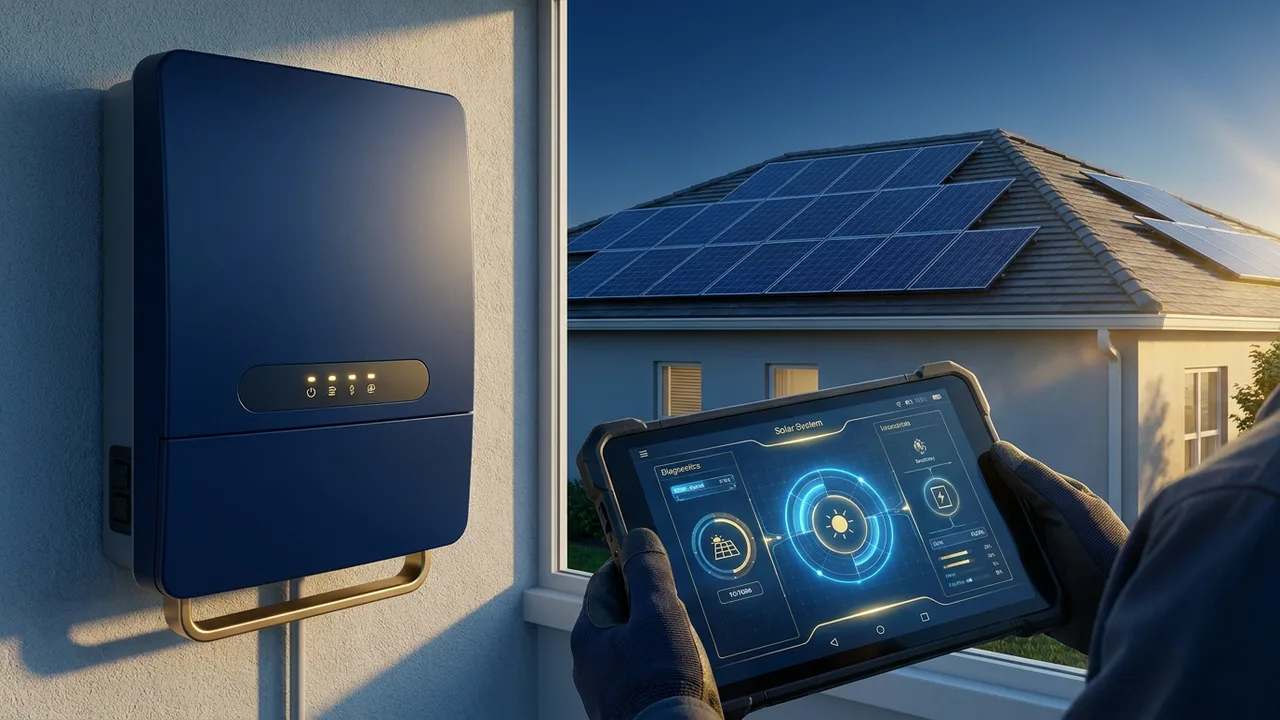
- Cost tracks the fault, not the panel count — a connector fix and an inverter swap aren't in the same universe.
- The diagnostic comes first; a straight-shooting company confirms the cause before quoting parts.
- String inverters are the most common big-ticket replacement; microinverter fixes are usually one unit.
- Warranty coverage on panels, inverters, or workmanship can offset parts if the paperwork still holds.
- Get a written diagnosis with photos so you know exactly what you're paying for.
Where the problem usually is
About three of four residential solar service calls trace back to the inverter or comms — not the panels themselves. That's why we run diagnostics first.
What does solar panel repair actually cost?
There's no single price, because "solar repair" covers everything from tightening a loose connector to swapping out the most expensive part on your roof. The honest answer: cost tracks the fault, not the size of your system. A quick connector reseat and a full inverter replacement can differ by ten to one, even on the same house.
What every good repair has in common is that it starts with a diagnostic — a tech confirming what's wrong before anybody quotes a part. Paying a modest diagnostic fee to know the real cause is a whole lot cheaper than swapping parts on a hunch. This post sits inside our solar maintenance and repair guide; if your system's gone dark, start with why did my solar panels stop producing.
What drives the price of a solar repair?
A handful of things decide where a repair lands:
- Which component failed. Connectors, breakers, and fuses are cheap. The inverter is the priciest single part.
- Inverter type. A central string inverter is one bigger unit to replace; microinverters and optimizers are per-panel, so a fault is often isolated to one device.
- Roof access and difficulty. Steep, high, or tile roofs take longer and cost more to work on safely.
- Labor and diagnostic time. Intermittent faults take longer to chase down than obvious ones.
- Parts availability. Discontinued inverters from brands that folded can be harder to source.
Because of that spread, a trustworthy quote names the specific part and the labor instead of a vague lump sum.
Typical repairs, from cheapest to most expensive
Roughly ordered by cost:
- Connector, wiring, or breaker fixes — the low end. Reseating a corroded MC4 connector or replacing a tripped breaker is quick.
- Monitoring and communication repairs — reconnecting or replacing a gateway is modest.
- Single microinverter or optimizer replacement — mid-range; one unit plus roof labor.
- String inverter replacement — the most common big-ticket repair, since inverters typically last around 10-15 years while panels last 25+.
- Panel replacement — less common, usually from physical damage rather than wear.
Exact dollar figures swing wildly by system, brand, and roof, so treat any online number as a rough guide and get a real quote for your equipment. [VERIFY specific dollar ranges before publishing if the client wants them stated.]
Will my warranty cover the repair?
It might, and it's worth checking before you pay out of pocket. Solar systems usually carry three separate warranties: the panel (often 25 years), the inverter (commonly 10-12 years, sometimes extendable), and the installer's workmanship warranty (varies). If the failed part is still in its window, the manufacturer may cover the part — though you'll typically still pay labor to pull it and put the new one in.
The catch: warranties often need the original paperwork, and sometimes the original installer, to file the claim. That's a real headache when the installer's closed up, and it's why so many Florida homeowners end up paying for repairs they could've claimed. We help track down what coverage still applies. If your installer's gone, see who fixes solar panels if the installer is out of business.
Why a diagnostic always comes first
The single biggest way people overpay is letting somebody replace a part without proving it was the problem. A red inverter light, for instance, can be a bad inverter — or a grid fault, a wiring issue, or a failing optimizer. Swap the inverter for the wrong cause and you've spent the most money on the least likely fix.
A proper diagnostic uses the fault history, meter readings, and a physical inspection to pin down the actual failure — including sneaky ones like a hot spot that shows no obvious symptom until a panel's already damaged. You should walk away with a written diagnosis and photos, then decide on the repair with the full picture.
Get an honest repair quote in Central Florida
We diagnose first, quote in plain language, and never put in a part you didn't approve — any brand, any installer, even if the original company is gone. We serve Tavares and all of Lake, Sumter, Marion, Orange, and Osceola counties. Book a solar repair diagnostic, request a free quote, or call (407) 270-2542.
Frequently asked questions
How much does it cost to repair solar panels?
Why do I have to pay for a diagnostic first?
Is the inverter the most expensive part to replace?
Will my solar warranty pay for repairs?
Can you repair panels if my installer went out of business?
Serving solar owners across Central Florida
We clean, repair, maintain and protect solar systems throughout the region — any brand, any installer. Find your town:
Need a hand with your solar?
Service Solar Pros — any brand, any installer, across Central Florida. Call (407) 270-2542.
Get a free quote